
California has been on this path longer than any other state. This is the reason we begin here.
Some places make surrogacy more difficult than it should be. One of these is not California. Families like yours have been clearly and consistently protected by its courts and laws for decades, even before the baby is born.

Why California Is the First State of Choice for So Many Families
California’s surrogacy laws are referred to as the “gold standard” so frequently that it begins to seem like a catchphrase. It isn’t. It describes a certain object.
Gestational surrogacy is specifically governed by California Family Code §§ 7960–7962, which is a codified legislation that clearly states how it operates and who it protects, rather than a patchwork of court rulings that are subject to interpretation.
What it truly means to you:
- As is customary, pre-birth parentage orders designate you as the legal parent from the moment of delivery; the surrogate’s name is never shown on the birth certificate.No genetic connection to the kid is necessary, and all family structures—married, single, same-sex, and foreign parents—are equally protected.
- No California residence is necessary; the law is applicable as long as a portion of the surrogacy procedure takes place in California.
- Based on precedent rather than conjecture, California courts have consistently upheld the 1993 Johnson v. Calvert decision, which established that intent dictates parentage.
WHEN TO START
When Is the Right Time to Begin Your California Surrogacy Journey?
In one variation of this technique, you wait until you are “ready” in every way. Since time in surrogacy is rarely all about you, there is a more truthful alternative where you begin the legal and matching procedures early.
Get started now if:
• You want your name to appear on the birth certificate from the beginning rather than after a post-birth court procedure → You’re working with an embryo timeline and want the legal track to run concurrently → You’ve read about surrogacy in your home country and the legal picture felt unclear or incomplete → You’ve decided surrogacy is your path, even if every detail isn’t settled yet → You’re an international intended parent researching where the law protects you clearly →
It’s important to be aware that a pre-birth order in California usually takes eight weeks to execute from beginning to end. The majority of intending parents start this procedure by the 20th week of pregnancy, which is early enough to have everything ready for birth.

WHAT'S INCLUDED
Why California Is the First State of Choice for So Many Families
Legal Foundation: Before any medical treatment starts, a formal, attorney-reviewed gestational surrogacy agreement should be in place. Both you and your surrogate should have independent legal advice so that nobody is navigating this without their own champion.
Pre-Birth Order: Parentage Order Prior to Birth a pregnancy-related court order designating you, not the surrogate, as the child’s legal parent upon birth. No distinct adoption procedure. No more legal action following delivery.
Medical Coordination: IVF, embryo transfer, prenatal care, and delivery are all coordinated with medical teams who have experience in surrogacy; this ensures that the clinical and legal sides work together, not independently.
Documentation & Birth Certificate: From the beginning, your name was listed. Depending on the jurisdiction, birth certificates are often issued five to ten business days following delivery.
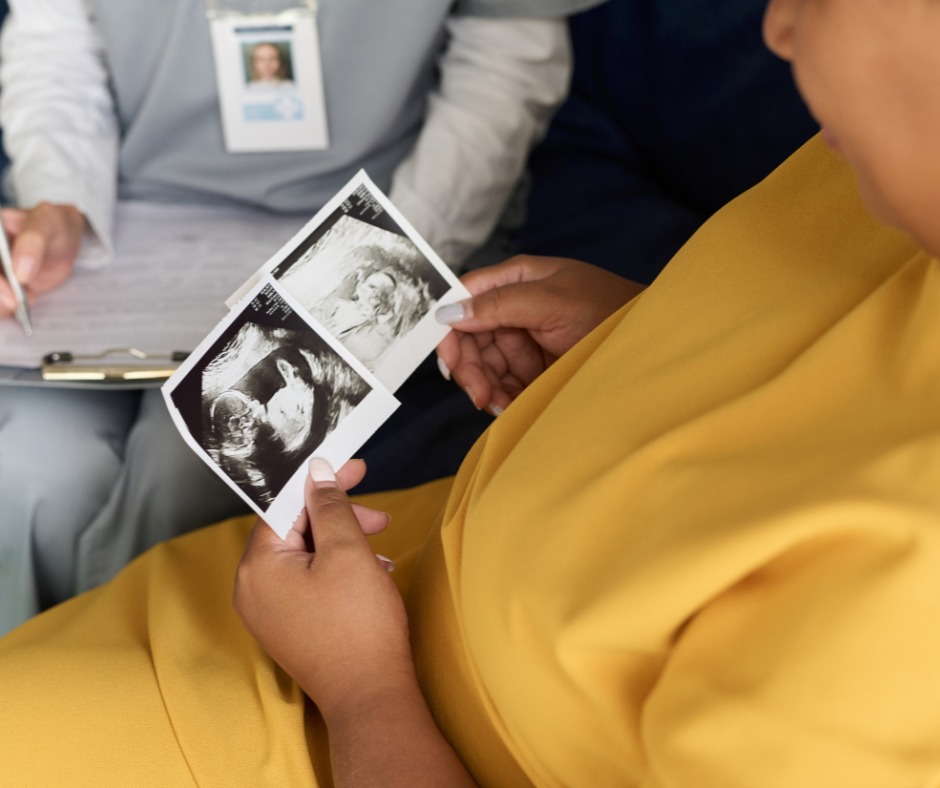
HOW IT WORKS
The Real Story of a California Surrogacy Journey with Us
- A Real Conversation Prior to any paperwork, we discuss your current situation, including what you’ve previously investigated, what worries you, and what you hope to achieve.
- Matching We assist you in locating a gestational surrogate whose preparation, health, and values coincide with those of your family.
- The Legal Foundation Everything else is built upon your agreement, which is negotiated and examined by independent counsel for both parties.
4.Throughout the pregnancy, IVF and embryo transfer are coordinated with your surrogate’s medical staff.
- The Pre-Birth Order is filed during pregnancy, ensuring that your legal paternity is established long in advance of your child’s arrival rather than after.
- Birth and What Happens After You are identified as the child’s legal parent right away. Our relationship doesn’t end at the hospital door; we continue to communicate even after the baby is born.
TESTIMONIAL
A Family That Began Right Where You Are Now
“Tag: International Intended Parents”When we first started, we had no knowledge of California law; all we knew was that it was the safest place to do this. Our names were already on the paperwork when our baby was born. At the hospital, there was nothing left to solve. All we have to do is hold her.
Prior to delivery, the pre-birth parentage order was executed. Both parents are included on the birth certificate; there is no need for a post-birth legal procedure, International Journey, Intended Parents

FAQ
Is it necessary to reside in California in order to do surrogacy there?
A: Not at all. You don’t have to live in California. As long as a portion of the surrogacy procedure takes place in California, such as where your surrogate resides, where your contract is signed, or where the embryo transfer occurs, the legislation is applicable.
Is it possible for foreign intended parents to use surrogacy programs in California?
A: Indeed. As long as the surrogate gives birth in California, foreign parents may pursue surrogacy there and get a pre-birth order.
What precisely is a pre-birth parentage order?
A: A court-issued judgment filed during pregnancy legally identifies you as the child’s parent prior to delivery; hence, the surrogate’s name is never shown on the birth certificate and no further adoption procedure is required.
Does California's surrogacy legislation apply to single parents and same-sex couples?
A: Indeed. All family structures are eligible for pre-birth parentage orders, irrespective of the child’s genetic kinship, marital status, or sexual orientation.
Is a genetic relationship with the kid necessary for intended parents?
A: Not at all. In California, the intended parents and the embryo do not need to be genetically related.
What is the duration of the pre-birth order procedure?
A: Most intended parents start the process at about 20 weeks of pregnancy since it usually takes about 8 weeks to complete.
You Don’t Have to Have Every Answer Yet.
Most families who reach out to us are still figuring things out. That’s normal. What matters is starting the conversation with people who’ve walked this road before, and a legal framework that’s been protecting families like yours for decades.